
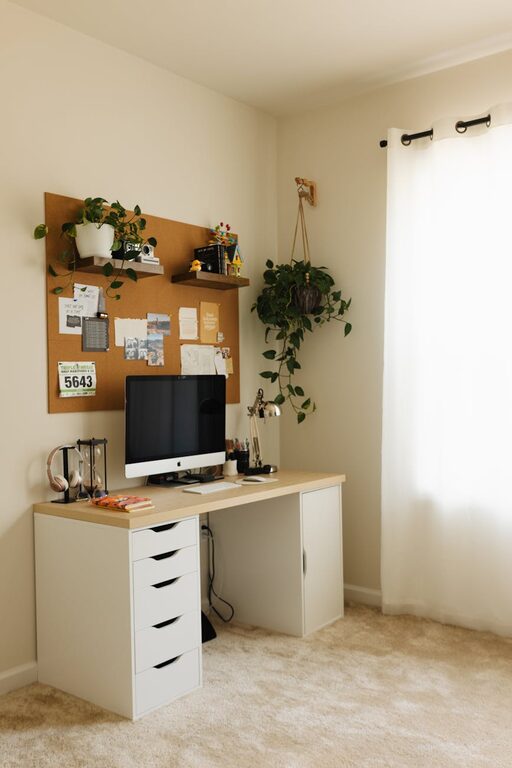
Creating a cozy and productive home office space is essential for staying focused and comfortable throughout the workday. Whether you are starting fresh or looking to improve your current setup, there are many ways to design a workspace that motivates and supports your tasks. This guide offers practical tips to help you balance comfort and efficiency, resulting in a home office that feels inviting and keeps you productive.
Why a Cozy and Productive Home Office Matters
Your home office should be more than just a place to work; it should be a space that enhances your concentration and well-being. A cozy environment can reduce stress, while a productive layout helps you stay organized and focused. When these elements come together, you create a healthy work-life balance and make working from home more enjoyable.
—
Step 1: Choose the Right Spot
Consider Natural Light
Select a location with plenty of natural light if possible. Sunlight boosts mood and energy levels, reducing eye strain and increasing productivity. Place your desk near a window to enjoy daylight during your work hours.
Minimize Distractions
Find a quiet corner or a room where distractions are minimal. Using a dedicated space signals to your brain that it’s time to work, improving focus.
—
Step 2: Invest in a Comfortable Desk and Chair
Ergonomic Chair
Investing in a good ergonomic chair supports your posture and helps prevent back pain. Look for features like adjustable height, lumbar support, and comfortable cushioning.
Desk Size and Height
Choose a desk that fits your space and allows enough room for your computer, notebooks, and other essentials. The desk height should enable your arms to rest comfortably while typing.
—
Step 3: Organize Your Workspace
Declutter Regularly
Keep only the items you need close at hand to reduce clutter. A tidy workspace helps clear your mind and improves efficiency.
Use Storage Solutions
Incorporate shelves, drawers, or organizers to store documents and supplies neatly. Label storage containers for easy access and better organization.
—
Step 4: Add Personal Touches for Coziness
Use Soft Textiles
Add cozy blankets, cushions, or a rug to make your office feel warmer and more inviting.
Incorporate Plants
Plants improve air quality and create a calming atmosphere. Even low-maintenance options like succulents can brighten your workspace.
Choose Calming Colors
Decorate with soothing colors like soft blues, greens, or neutrals to foster a relaxing environment.
—
Step 5: Set up Efficient Lighting
Use a Good Desk Lamp
Besides natural light, an adjustable desk lamp ensures you have adequate lighting, especially during late hours. Choose bulbs that mimic daylight for less eye strain.
Avoid Glare
Position your monitor and light sources to avoid screen glare, which can be distracting and tiring.
—
Step 6: Incorporate Technology Thoughtfully
Manage Cables
Use cable organizers or clips to keep cords organized and out of the way.
Select Tools Wisely
Choose devices and accessories that support your work style, such as a wireless keyboard and mouse to reduce clutter.
—
Step 7: Create Boundaries and Routines
Define Work Hours
Establish specific work hours within your home to create routine and prevent burnout.
Use Visual Cues
Rituals like opening a particular door, lighting a candle, or playing certain music can help signal the start and end of your workday.
—
Bonus Tips: Boosting Productivity and Comfort
– Take Breaks: Incorporate short breaks to stretch and refresh your mind.
– Hydrate: Keep a water bottle nearby to stay hydrated.
– Temperature Control: Maintain a comfortable room temperature to stay focused.
– Noise Management: Use noise-canceling headphones or soft background music if needed.
—
Final Thoughts
Designing a cozy and productive home office is about finding the right balance between comfort and functionality. By choosing the right location, furnishing your space thoughtfully, organizing efficiently, and adding personal touches, you can create a workplace where you feel motivated and at ease. Remember, small changes often make a significant difference—start with one or two tips and build your ideal home office over time. Happy creating!